
How to Build a More Satisfying Snack: A Flexible Formula
Sep 23, 2026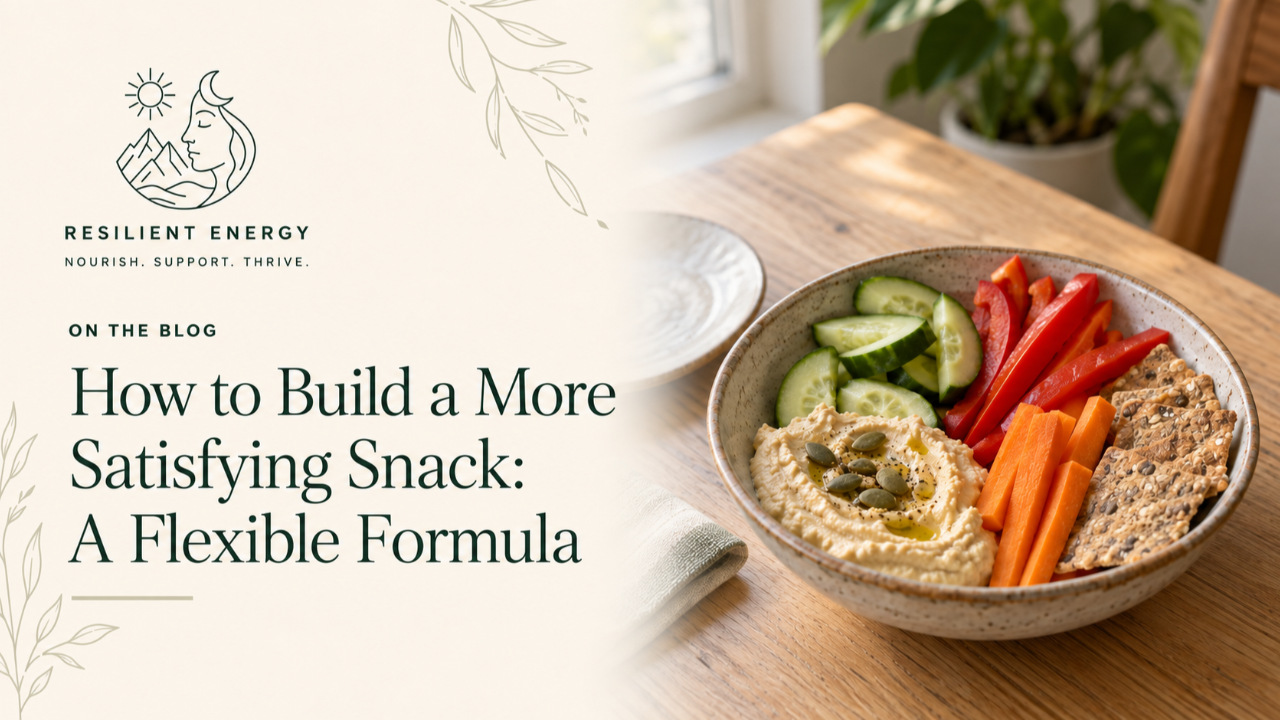
A snack can be as simple as one food.
Sometimes a piece of fruit, a handful of crackers or a yogurt is exactly what you want. At other times, you may need something more substantial, especially when your next meal is several hours away or you are moving through a long workday, caregiving responsibilities or an active afternoon.
When a snack does not feel satisfying, the answer is not necessarily to avoid snacking or follow a complicated set of nutritional rules. It may help to combine a few different components.
A simple place to begin is:
- A source of protein
- Fruit, vegetables or a fiber-rich carbohydrate
- An optional source of fat
This is not a formula you must follow every time. It is a flexible way to create a snack that feels more complete when one food alone does not feel like enough.
Why one snack may feel different from another
Not every snack needs to serve the same purpose.
You may want something small because your next meal is approaching. On another day, you may need a more substantial option to carry you through a demanding afternoon. Your appetite may also change according to your activity, sleep, schedule, health needs and what you have eaten earlier in the day.
Instead of looking for one “perfect” snack, it can be more useful to ask:
- How hungry am I right now?
- How long will it be until my next meal?
- What food is accessible?
- What would feel satisfying?
- Do I need something portable or quick to prepare?
These questions allow you to respond to your present needs rather than treating every snack as though it should look the same.
Begin with a source of protein
When you want a snack to feel more substantial, begin by identifying an accessible source of protein.
Depending on your preferences and dietary needs, that might include:
- Plain or lightly sweetened yogurt
- Cottage cheese
- Eggs
- Hummus
- Beans or roasted chickpeas
- Nuts or seeds
- Nut or seed butter
- Cheese
- Tofu or edamame
- Fish, such as tuna or salmon
You do not need to choose the option with the highest possible amount of protein. Consider what you enjoy, what is available and what fits the moment.
A yogurt may be convenient at home. Hummus may pair easily with vegetables or crackers. Nuts or seeds may be more practical when you need something that can remain in a work bag.
The most useful choice is often the one you can realistically access when you need it.
Add fruit, vegetables or a fiber-rich carbohydrate
Next, consider adding fruit, vegetables or a fiber-rich carbohydrate.
This part of the snack might include:
- Berries
- An apple, pear, peach or banana
- Carrots, cucumber or bell pepper
- Snap peas or cherry tomatoes
- Whole-grain crackers
- Whole-grain toast
- Oats
- Popcorn
- A small tortilla or pita
- Dried fruit
This component can bring flavor, texture and variety to the snack. It also gives you considerable flexibility.
Fresh produce can be helpful when it is accessible, but frozen, dried, canned and prepared options can also have a place. Precut vegetables or individual containers of fruit may cost more, but the convenience may make them more likely to be eaten during a demanding week.
Convenience is not a nutritional failure. Sometimes reducing preparation is what allows nourishment to remain available.
Include a source of fat when it feels useful
Some protein-rich foods already contain fat, including nuts, seeds, cheese and certain yogurts. At other times, you may want to add a small amount from another source.
Options might include:
- Nut or seed butter
- Nuts or seeds
- Avocado
- Olives
- Olive oil in a dip or dressing
- Chia, flax, hemp or pumpkin seeds
This part is optional. You do not need to add a separate source of fat to every snack, particularly when it is already present in another ingredient.
The goal is not to check three boxes perfectly. It is to notice whether combining a few components helps you create something that better fits your hunger and circumstances.
What the formula can look like
Using this approach does not require an elaborate recipe.
A few combinations might include:
- Yogurt with berries, chia seeds and walnuts
- An apple with peanut, almond or sunflower-seed butter
- Hummus with vegetables and whole-grain crackers
- Cottage cheese with fruit and pumpkin seeds
- A hard-boiled egg with avocado on whole-grain toast
- A banana with yogurt and almond butter
- Roasted chickpeas with vegetables and crackers
- Cheese with a pear and a small handful of nuts
- Edamame with whole-grain crackers and sliced cucumber
- Tuna with crackers and cherry tomatoes
These are examples rather than rules. Portions and combinations can be adjusted according to your appetite, preferences, allergies, medical needs and access to food.
You may also decide that one component is enough. If you want an apple and nothing else, you do not need to turn it into a complete snack formula. The framework is simply available when you would like more.
Make satisfying snacks easier to access
Knowing what you could prepare does not always mean you will have the ingredients, time or attention available when hunger appears.
A little preparation can reduce the number of decisions required later.
You might:
- Choose two dependable snack combinations for the week
- Add the ingredients to your grocery list
- Wash or cut produce when you have time
- Keep shelf-stable options in your work bag
- Place frequently used foods where they are easy to see
- Portion crackers, nuts or roasted chickpeas in advance
- Keep hummus, yogurt or boiled eggs available in the refrigerator
- Use frozen fruit when fresh fruit is unavailable
- Purchase precut or individually packaged foods when convenience is necessary
Preparation does not have to mean organizing an entire week of food into matching containers.
It might simply mean making sure you have crackers and hummus available before your next work shift, placing an apple and nut-butter packet in your bag or choosing two options you can assemble without much thought.
Let convenience support you
There can be pressure to prepare every meal and snack from scratch. In practice, packaged or partially prepared foods may help nourishment remain possible during busy seasons.
Individual hummus containers, cheese sticks, roasted chickpeas, frozen edamame, precut vegetables, plain popcorn, tuna packets and nut-butter packets can all reduce preparation.
When selecting packaged foods, you may choose to review the ingredient list, allergen information and nutrition label according to your individual needs. But a convenient food does not need to be the theoretically “best” option to be useful.
A food that is available when you are hungry may support you more effectively than an aspirational plan you do not have the capacity to prepare.
Choose two options before your next busy day
Rather than trying to create a long list of snacks, choose two combinations you would genuinely eat.
You might select:
- One option for home:
Hummus, sliced vegetables and whole-grain crackers. - One portable option:
An apple, a packet of nut or seed butter and a small handful of nuts.
Add the ingredients to your grocery list or identify what you already have.
The next time a demanding afternoon arrives, you will not need to create a plan from the beginning. You will already have two familiar options to consider.
A flexible approach to nourishment
A satisfying snack does not need to be elaborate, beautifully arranged or nutritionally identical each day.
Sometimes one food will be enough. Sometimes you may want a combination that includes protein, produce or a fiber-rich carbohydrate, and a source of fat. On particularly demanding days, the most realistic snack may simply be the food you can access.
The purpose of this formula is not to make eating more complicated. It is to give you a flexible starting point when you want a snack to feel more complete.
Before your next busy day, consider asking:
What are two dependable snacks I can make available now so I have fewer decisions to make later?
Individual nutrition needs vary. If you have a medical condition, food allergy, history of disordered eating or specific nutritional concern, consider seeking guidance from a qualified healthcare professional or registered dietitian.
Make Nourishment Easier to Plan
If deciding what to prepare often feels like one more demand, Resilient Energy: A Nervous System Support Cookbook™ offers practical structure you can return to.
The digital cookbook includes 42 nourishing recipes, a complete seven-day meal plan and organized grocery lists across breakfasts, lunches, dinners, snacks and drinks.
Use the full plan when you want more guidance, or choose one manageable recipe when that is enough for the day.
Explore Resilient Energy: A Nervous System Support Cookbook™
Ready to Go Deeper?
The Resilient Energy Method™ is a five-module, self-paced course designed to help you understand your patterns, respond to stress more intentionally and build supportive practices that fit into everyday life.
Begin With Five Minutes
If you would like a simple practice to return to during a stressful or demanding moment, download your free 5-Minute Calm Practice.
You'll also receive the Resilient Energy Note, with thoughtful reflections and practical tools to support a calm mind, steady energy, and sustainable well-being.
No spam. Unsubscribe at any time. For educational purposes only. Not medical advice.