
When Rest Becomes One More Thing to Do
Oct 07, 2026
You finally have a few minutes to yourself.
Before you have settled into them, you begin considering how to use the time. You could meditate, stretch, journal, take a walk or catch up on the messages you have not answered.
Each of those choices may be worthwhile. But sometimes, the effort to make every quiet moment useful leaves very little room to simply have one.
Even rest can begin to feel like something you need to accomplish.
When helpful practices become expectations
A practice can begin as something you enjoy and gradually become something you feel required to do.
You might like walking outside, but begin judging yourself when a break does not include movement. Journaling may offer a place to reflect, yet become another unfinished item on your evening list. A breathing practice may feel accessible until you start expecting it to make you feel a certain way every time.
The activity itself may still have value. What has changed is the expectation surrounding it.
Instead of asking what you would welcome, you may find yourself asking:
-
Am I using this time well enough?
-
Should I be doing something healthier?
-
Have I rested enough to be productive again?
-
Why don’t I feel calmer yet?
These questions can turn a pause into another moment of evaluating yourself.
Notice the pressure around the pause
This pressure can be subtle.
Perhaps you sit down but immediately reach for something to complete. You choose a calming activity while mentally calculating how much time it is taking. Or you finish a break and decide it was wasted because you still feel tired.
You may also find yourself postponing rest until the conditions are right: the kitchen is clean, tomorrow is organized and everyone else has what they need.
For people balancing work, parenting or caregiving, there may always be another responsibility waiting. Making rest dependent on finishing everything can make it difficult to allow at all.
A useful question is:
What am I expecting this pause to accomplish?
You might notice that you are asking a few quiet minutes to restore your energy, settle your thoughts and prepare you for the rest of the day.
That is a great deal to ask of a brief break.
Choose what you would welcome
You do not have to give up the practices you find helpful. You can make room to choose them with a little less obligation.
Before deciding how to spend a quiet moment, ask:
Would I welcome this activity right now, or do I feel that I should do it?
A walk may sound pleasant because you want fresh air. Familiar music may be appealing because you enjoy listening to it. You may want to stretch after sitting for a long time.
On another day, you may prefer to sit without adding anything.
The same activity can feel different depending on your needs and the expectations you bring to it. A structured practice can offer welcome guidance; an unstructured pause can offer freedom from another set of instructions.
There is room for both.
Try leaving one pause unplanned
During the coming week, choose one brief opportunity when no urgent responsibility needs your attention.
It might be after lunch, while another adult is caring for your child or during a quiet moment before the next part of your day.
Instead of assigning that time an activity, ask:
What can I stop asking of myself for the next few minutes?
Perhaps you can stop answering nonurgent messages. You might leave a household task for later or set aside the expectation that you should use the moment to plan ahead.
Then allow yourself to choose what feels welcome.
You might look out the window, listen to a song, sit comfortably, or step outside. You can also change your mind once you begin. There is no need to turn the pause into a routine you must maintain.
For example, imagine that you have ten minutes before leaving home. You notice the laundry and consider folding it. Then you remember that you also meant to journal.
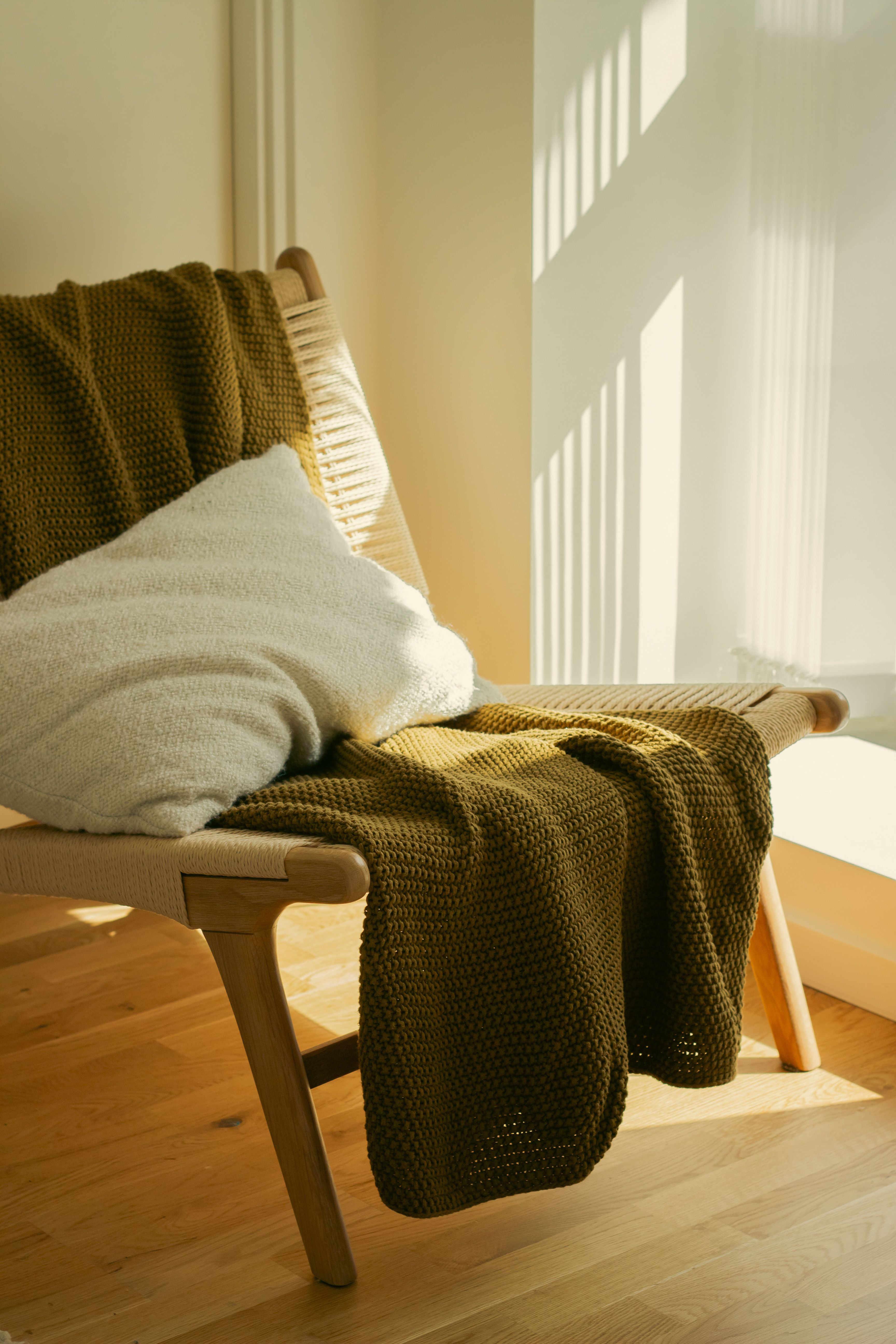
If neither needs your attention now, you could let both wait and sit by the window for a few minutes. The laundry remains unfinished. The journal stays closed. You have allowed a small amount of time without another assignment.
Let the outcome remain open
Afterward, you may feel more settled. You may also feel much the same.
You do not have to judge the pause only by whether it changed your mood or made the next task easier.
Consider whether you allowed yourself fewer demands during that time. Did you make a choice without immediately correcting it? Could you leave something unfinished without using the break to think through how to complete it?
You do not need to record your answers or track your progress. These are simply things you might notice.
A pause can have a place in your day even when it does not produce a clear result.
Rest also needs practical room
A few quiet minutes cannot replace sleep, time away from responsibilities, or help with an overwhelming workload.
Sometimes what you need is practical support: sharing a household task, asking someone to take over for a while, changing a commitment or protecting a longer period of downtime.
If every available moment is already spoken for, the next step may be to ask:
What would make room for rest in my actual life?
That question acknowledges that rest depends on more than choosing the right activity. Time, responsibilities, resources and support all matter.
For now, if a small opening is available, you can let it remain an opening.
You do not have to fill every pause with a practice. You can allow a little time that asks less of you.
Ready to Go Deeper?
The Resilient Energy Method™ is a five-module, self-paced course designed to help you understand your patterns, respond to stress more intentionally and build supportive practices that fit into everyday life.
Begin With Five Minutes
If you would like a simple practice to return to during a stressful or demanding moment, download your free 5-Minute Calm Practice.
You'll also receive the Resilient Energy Note, with thoughtful reflections and practical tools to support a calm mind, steady energy, and sustainable well-being.
No spam. Unsubscribe at any time. For educational purposes only. Not medical advice.